


Sacramento HERS Testing Cost: What to Budget and Why

Last Updated: November 1, 2026
Quick Summary
HERS testing cost in Sacramento is not a fixed fee; it depends on which tests your permit requires, the number of systems, and access and travel. The California Energy Commission directs customers to request rates directly from raters or contractors. Get an itemized quote to compare bids fairly.
Testing requirements depend on the work, and properly permitted work triggers the necessary tests.
Ask raters to itemize field fees, registration, travel, retest, and rush charges.
Single duct leakage tests are roughly $150-$400 per system in the Sacramento area.
Compare quotes on identical scope: same tests, system count, and duct-run count.
Prepare ducts and system beforehand, since retests add a second visit fee.
Table of Contents
What HERS Testing Involves and Why Projects Need It
If you are building or replacing heating and cooling in the Sacramento area, a HERS test is the inspection that proves the work meets the energy code. HERS stands for Home Energy Rating System. A certified rater measures how your ducts, airflow, and HVAC equipment actually perform, then records the results for the permit file.
Here is the key point: whether testing is required depends on the work. According to the California Energy Commission's HERS Program overview, testing requirements depend on the work being done, and properly permitted work is what triggers the necessary tests.
Keep one program change in mind. The California Energy Commission reports that, effective January 1, 2026, the HERS Program no longer supports an Energy Code compliance demonstration program. Confirm current requirements with your permit office before you schedule anything.
Title 24 HERS Testing Requirements by Project Type
Title 24 is California's building energy code, and the HERS tests it calls for change with the project. New construction, a full system replacement, and a duct-only repair can each trigger a different set of tests. The first step is to confirm with your building department which measures apply to your permit.
Here is a quick way to sort it out:
New construction: Usually needs the full set of field verified tests before final sign-off.
HVAC changeout: Often requires refrigerant charge and airflow verification.
Duct alterations: May trigger duct leakage testing on the new or modified runs.
Minor repairs: May need no HERS testing at all, depending on the permit.
Ask your permit office or your rater which tests your specific permit requires. Do not assume one checklist covers every job.
What Drives the Price of a HERS Test in Sacramento
HERS testing is not a single fixed fee, and no honest rater will quote you one number without knowing the scope. The California Energy Commission confirms that rater fees vary and directs customers to request rates directly from raters or contractors. For a broader view of costs across the state, see statewide HERS testing pricing. What you can do is understand the cost structure so you can read a quote intelligently and compare bids on the same basis.
The Cost Stack Behind Every Quote
Every HERS quote is built from the same components. Ask any rater to break their number into these lines:
Per-test field fee, the time on site for each required test (duct leakage, refrigerant charge, airflow/ventilation, etc.)
Registration and documentation fee, the cost to register the test with the HERS provider and file the CF-3R certificate with the permit office
Travel / service-area charge, how the rater prices distance from their base to your job site
Retest fee, what a second visit costs if the first test fails
Rush or after-hours surcharge, if you need testing outside normal scheduling windows
A quote that only shows a single total hides these lines. Ask for them itemized.
Typical Sacramento-Area Price Ranges by Test
Single duct leakage test (one system): roughly $150-$400
Refrigerant charge verification (one system): roughly $150-$350
Ventilation / airflow verification: roughly $150-$300
Full HVAC changeout test package (refrigerant + airflow + duct leakage as required): roughly $200-$450
CF-3R registration and documentation: often bundled into the per-test fee, but confirm it is included
Retest after a failed inspection: typically a separate visit fee, often in the $100-$250 range depending on the rater and distance
What Moves You Up or Down in That Range
Number of systems. A two-system house roughly doubles field time and test count.
Number of duct runs tested. More runs means more setup and measurement time.
Access. Ducts buried under insulation, finished walls, or tight attic spaces add labor.
Project type. New construction with multiple required measures costs more than a single duct alteration.
Scheduling. Weekend, rush, or same-day visits usually carry a premium.
Service radius. Jobs well outside the core metro area often carry a travel charge; ask how it is calculated before you book.
How to Compare Two Sacramento Quotes Fairly
Put both quotes side by side and check that each one answers these questions the same way:
Which specific tests are included, by name?
Is HERS provider registration and CF-3R filing included?
Is travel included, and if not, what is the travel charge?
What does a retest cost if the first visit fails?
Is the quote based on the same system count and duct-run count?
If one quote is lower only because it excludes registration, travel, or retest coverage, it is not actually cheaper, it is a smaller scope. The apples-to-apples comparison is the only way to know.
Pro Tip When you request quotes, send every rater the same one-page scope: system type, number of systems, number of duct runs, tests listed on your permit, and job address. Raters who quote against identical scope give you numbers you can actually compare.
For a current quote tailored to your project, contact Central Duct Testing directly with your scope.
The article breaks a HERS quote into a few cost lines, so you can compare bids on the same basis.
Cost line | What it covers | Why it matters |
Per-test field fee | Time on site for each required test | Scales with the number of tests |
Registration and documentation fee | HERS provider registration and CF-3R filing | Confirm it is included |
Travel or service-area charge | Distance from the rater's base to your site | Can change a quote's total |
Retest fee | A second visit after a failed test | Often $100-$250 |
Rush or after-hours surcharge | Testing outside normal scheduling windows | Usually carries a premium |
Duct Leakage Testing Cost and What It Covers
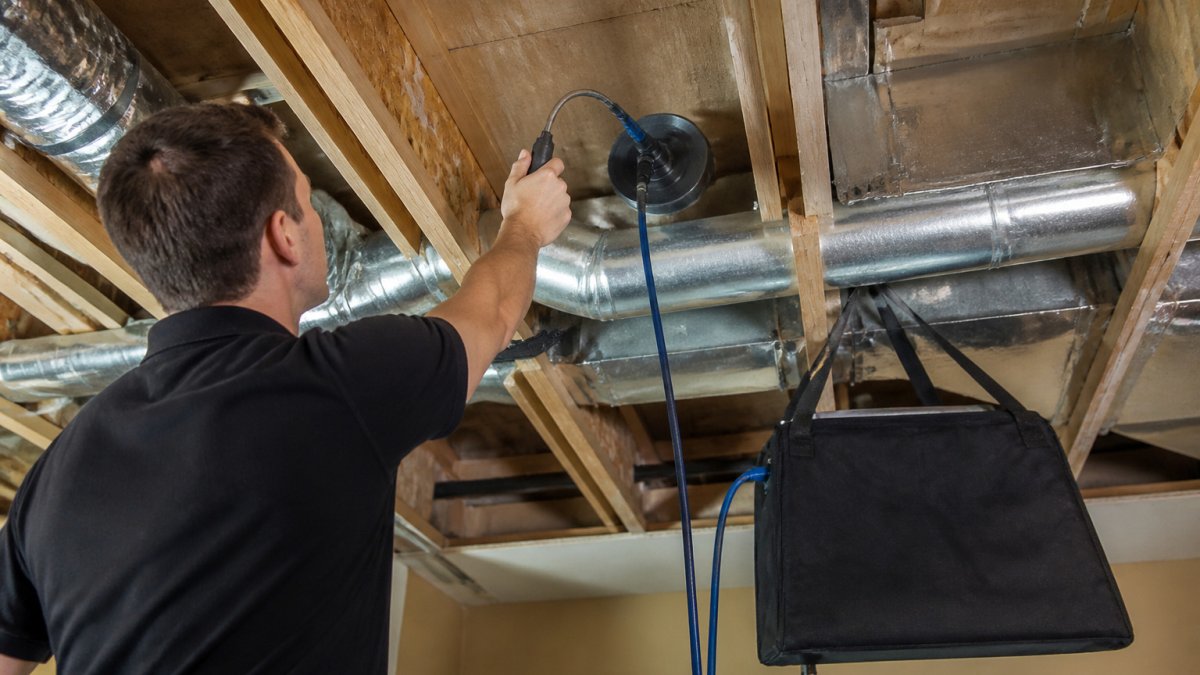
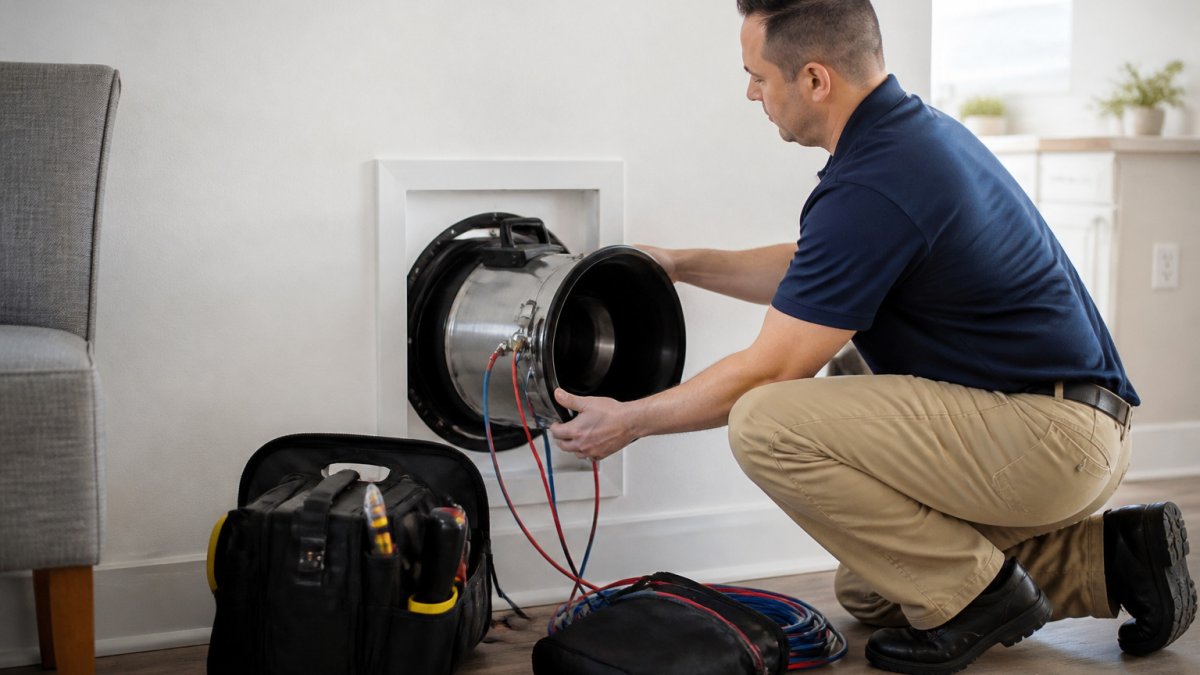
Duct leakage testing measures how much conditioned air escapes through gaps, joints, and disconnected runs in your ductwork. It is one of the most common tests on a residential permit, and it is often the line item that surprises homeowners on the invoice because it is priced per system and per visit, not per house.
What the Test Actually Measures
A rater pressurizes the duct system and measures airflow loss. Depending on the permit and the duct configuration, the test may cover:
Total leakage across the entire duct system
Supply-side and return-side leakage separately when the permit requires it
Leakage to outside (the metric Title 24 often cares about most)
Documentation of results for the permit file and the CF-3R certificate
The scope of the test, total vs. split, one system vs. multiple, is the single biggest driver of the price you see.
Sacramento-Area Duct Leakage Price Ranges
These ranges reflect common local pricing patterns. They are not a bid. A quote at the low end usually assumes easy access and a single system; a quote at the high end usually reflects multiple systems, tight access, or travel.
What Pushes Duct Leakage Cost Up
Multiple systems. Each system is tested separately, so field time and price scale with system count.
Tight or finished access. Ducts buried under blown insulation, behind finished walls, or in cramped attics take longer to set up and test.
Long or complex duct runs. More runs means more measurement points and more time.
Travel distance. Jobs outside the core metro area often carry a travel charge.
Scheduling. Rush, weekend, or after-hours visits usually cost more.
Duct Leakage in a Realistic Total Project Cost
Duct leakage testing rarely happens alone. Here are common scenarios and how the testing line fits in. These are illustrative estimates, clearly labeled, not quotes:
Watch Out Confirm what is included in any duct leakage quote before you compare totals.
How to Avoid Paying for a Duct Leakage Retest
Most failed duct leakage tests come from work that was not finished or not accessible when the rater arrived. Before the visit:
Confirm all duct connections are sealed and the system is running.
Make sure ducts are accessible, not covered by insulation or finished walls.
Verify the permit lists duct leakage testing so the rater tests the right scope.
Have equipment specs and permit paperwork on site.
A short readiness check is cheaper than a second visit. For a current duct leakage quote on your project, contact Central Duct Testing with your system count, duct-run count, and job address.
HERS Testing Duration and Scheduling Around Your Build
Plan the test around your build schedule. Duct and refrigerant tests usually need the system to be complete and running, so schedule them after the rough-in is done and before drywall closes up the ductwork. If the rater arrives too early, the test may fail or need a repeat visit.
Ask for a rough time estimate when you book. Duration depends on the number of systems, the number of ducts, and the tests required. Build a buffer into your timeline, because a retest adds a second visit.
HERS Testing Preparation Checklist to Avoid Retests
Most retests come from avoidable problems. Walk through this list before the rater arrives:

Confirm the system is fully installed and running
Make sure ducts are accessible, not covered by insulation or finished walls
Verify the permit and the tests it requires
Seal obvious duct gaps before the test
Confirm the thermostat and equipment are working
Have your permit paperwork and equipment specs ready
A short prep session can prevent a failed test and the cost of a return visit.
Booking Your HERS Test With Central Duct Testing
Central Duct Testing provides certified HERS testing for residential builders, HVAC contractors, and homeowners in the Sacramento area.
Contact Central Duct Testing today to book your HERS test and get a current quote. If you are still deciding who to hire, learn how to find and vet a California HERS rater before you book.
Frequently Asked Questions
Is HERS testing required in California?
HERS testing is required for many projects, but not all of them. Whether testing is mandatory depends on the work being done. New construction and certain HVAC changeouts commonly require it, so confirm with your permit office which tests apply to your scope before scheduling.
How much does HERS testing cost in Sacramento?
HERS testing fees in Sacramento vary with the tests required, the system type, and the service area. Fees are not fixed and depend on your project scope. For a current price on your specific project, contact Central Duct Testing directly.
How long does HERS testing take?
Testing time depends on the scope of the project, including how many ducts, zones and systems need verification. A single residential system with a standard duct layout is usually faster than a multi-system or commercial installation. Scheduling the test after the ducts, equipment and insulation are complete prevents a second visit and keeps your build on schedule.
What should I do before a HERS test?
Before the rater arrives, make sure the HVAC system is fully installed, ducts are sealed and accessible, and the permit is open. Keep your CF-3R paperwork and equipment specifications on site. Clearing access to the attic, crawlspace and air handler prevents delays.
Comments